Turmeric vs. Curcumin: A Complete Guide to the Golden Spice, Its Science, and How to Actually Absorb It
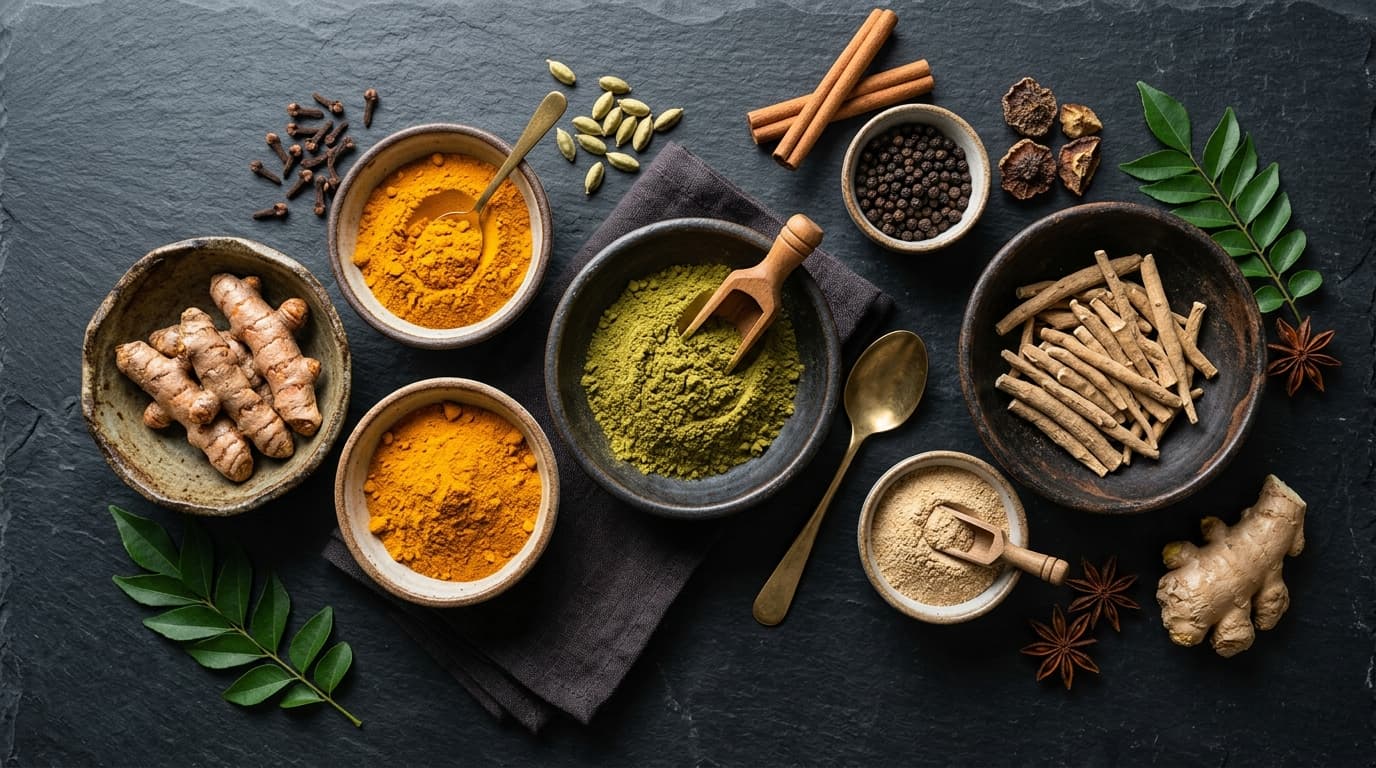
Published by Lifestyle with Ayurveda | Educational Content
Disclaimer: High-dose curcumin supplements can interact with blood thinners and some chemotherapy drugs. Consult your doctor before taking curcumin supplements if on medication.
Turmeric has been a kitchen staple in South Asian households for thousands of years.
It gives curry its golden colour, dye its fabric, and temples their ritual paste. But in the last decade, something changed: Western scientists started paying serious attention, and the word "curcumin" began appearing everywhere alongside the claims.
Walk into any supplement store and you can now buy "curcumin" capsules promising 95% standardized extract, nano-curcumin, liposomal curcumin, and phytosome-enhanced curcumin. And you can also buy a simple bag of turmeric powder at the grocery store for a fraction of the price.
So what is the difference? Which one should you use? Does the golden milk you are drinking actually deliver any of the benefits scientists are excited about? And what does Ayurveda — the system that used this plant long before Western medicine noticed it — actually say about how to use it?
This guide answers all of those questions, comprehensively.
Turmeric: The Plant, Its History, and What It Contains
Turmeric (Curcuma longa) is a flowering plant in the ginger family, native to the Indian subcontinent.
Its rhizome (underground stem) is harvested, dried, and ground into the familiar deep orange-yellow powder. Fresh turmeric root is also increasingly available and resembles ginger root with a more intensely orange interior.
In Ayurveda, turmeric has been used for at least 2,500–3,000 years (references appear in the Charaka Samhita and Sushruta Samhita). It is known as Haridra in Sanskrit — from hari (green/yellow) and dra (pertaining to). Its traditional uses include:
- Digestive support: Stimulating bile production and liver function.
- Anti-inflammatory properties: Applied topically for wounds, skin conditions, and joint swelling.
- Respiratory health: Mixed with warm milk (Haldi Doodh or "golden milk") for seasonal immunity support.
- Post-surgical healing: Turmeric paste applied to wounds to reduce infection.
- Skin brightness: Used in traditional beauty rituals (Ubtan).
🌿 Struggling to find balance? Discover if your symptoms are linked to your dominant dosha by taking the 2-minute quiz at myvaidya.co.
What Turmeric Actually Contains
The whole turmeric root is a complex biochemical ecosystem. It contains:
- Curcuminoids: The most studied group, comprising approximately 3–5% of turmeric by weight. The primary curcuminoid is curcumin (~75%), followed by demethoxycurcumin and bisdemethoxycurcumin.
- Volatile oils (essential oils): Including turmerone, ar-turmerone, and zingiberene. These have been studied for their own anti-inflammatory and neurological effects.
- Polysaccharides, proteins, and minerals: Providing nutritional value beyond the active compounds.
Key insight: Curcumin is only 3–5% of whole turmeric. A tablespoon of turmeric powder (approximately 6–10 grams) contains only about 200–500 mg of curcumin. Standard supplement doses of curcumin used in clinical trials range from 1,000 to 8,000 mg per day — amounts you simply cannot get from cooking.
The Anti-Inflammatory Evidence: What Research Shows
Curcumin's anti-inflammatory properties have been extensively studied in laboratory settings and increasingly in clinical trials.
How It Works: The Molecular Mechanisms
Unlike standard pharmaceutical anti-inflammatories (like ibuprofen or aspirin, which typically block a single enzyme), curcumin works through multiple pathways simultaneously:
- Inhibits NF-κB: Nuclear Factor kappa B is a protein that acts as a "master switch" for the inflammatory cascade. Curcumin is one of the most potent natural NF-κB inhibitors known to science.
- Downregulates COX-2 and LOX: These are the same enzymes that aspirin and ibuprofen target. Inhibiting them reduces prostaglandin production and inflammatory signalling.
- Suppresses cytokines: Curcumin reduces levels of TNF-α, IL-1β, IL-6, and other pro-inflammatory signalling molecules.
- Antioxidant activity: Curcumin neutralises free radicals and upregulates the body's own antioxidant enzymes (including superoxide dismutase and catalase).
Clinical Evidence Highlights
Osteoarthritis: The most consistently supported clinical application. Multiple randomised controlled trials (RCTs) and systematic reviews have found that curcumin reduces pain and improves function in osteoarthritis patients — in some trials comparably to NSAIDs but with fewer gastrointestinal side effects.
Metabolic Syndrome and Inflammation: Several trials have found curcumin reduces C-reactive protein (CRP) — a key inflammation biomarker — in people with metabolic syndrome, overweight, or type 2 diabetes.
Irritable Bowel Syndrome (IBS): Small trials suggest curcumin may reduce IBS symptom severity, possibly through its effects on gut inflammation and motility. However, more research is needed.
Depression and Brain Health: Emerging evidence, including meta-analyses, suggests curcumin may have modest antidepressant and neuroprotective effects. The proposed mechanisms include BDNF modulation and reduced neuroinflammation. This is a promising but early-stage research area.
What the Evidence Does NOT Support:
- Curcumin as a cancer cure or cancer preventive in humans (preclinical evidence exists but clinical translation has been difficult).
- Curcumin as a replacement for prescribed anti-inflammatory or cardiovascular medications.
- Curcumin as an equal substitute for dietary anti-inflammatory patterns (like the Mediterranean diet, which has far more clinical support).
The Bioavailability Problem: Why Most Curcumin You Take Does Nothing
Here is the sobering reality that most turmeric marketing glosses over entirely: curcumin has notoriously poor bioavailability.
When you swallow curcumin:
- It is poorly absorbed in the intestine.
- What does get absorbed is rapidly metabolised and conjugated in the intestinal wall and liver.
- It is quickly eliminated from the bloodstream.
The net result: after ingesting standard curcumin powder, blood levels of free curcumin are nearly undetectable. This is why dozens of laboratory studies showing curcumin's powerful effects have not translated as cleanly into human trials — the doses used in lab settings never get into the bloodstream at those concentrations.
Strategies to Enhance Bioavailability
The research into curcumin delivery is one of the most active areas in nutraceutical science. Here is what actually works:
1. Black Pepper (Piperine): The Traditional Solution
The most well-known bioavailability enhancer for curcumin is piperine, the active alkaloid in black pepper. A landmark 1998 study published in Planta Medica found that combining curcumin with piperine increased curcumin bioavailability by 1,940% in human subjects.
The mechanism: piperine inhibits the intestinal and hepatic enzymes (glucuronidation) that rapidly metabolise curcumin before it reaches systemic circulation. It also increases intestinal permeability to curcumin.
The Ayurvedic connection: This is not a modern discovery — it is ancient wisdom. Traditional Ayurvedic recipes using turmeric almost universally include black pepper as a co-spice. The combination was used not because ancient practitioners understood glucuronidation, but because they observed empirically that the combination was more effective.
Important caveat (2024 update): More recent research has found that piperine also inhibits P-glycoprotein and certain CYP enzymes in the liver — the same pathways used to metabolise many pharmaceutical drugs. For people taking medications (including blood thinners, chemotherapy drugs, certain antidepressants), combining high-dose curcumin with piperine can significantly alter drug metabolism. Always consult your doctor.
2. Fat: The Classical Carrier
Curcumin is fat-soluble. It dissolves in fat much more readily than in water. Cooking turmeric in oil or ghee (as traditional Indian cooking always did) improves its absorption by incorporating it into fat droplets that are more readily absorbed through the intestinal wall.
This is the basis for the original "Haldi Doodh" (turmeric milk/golden milk) — warming turmeric in milk and adding ghee creates a fat-solubilised form of curcumin. Not as potent as modern formulations, but significantly better than swallowing dry powder in capsules.
3. Heat: The Traditional Activation Method
Cooking turmeric at moderate heat (not burning) changes its molecular structure in ways that improve absorption. Raw turmeric powder consumed directly in smoothies or juices is among the least bioavailable forms.
4. Modern Enhanced Formulations (for supplements)
If you are taking curcumin for a specific purpose (e.g., joint inflammation), standard turmeric powder is unlikely to deliver sufficient levels to the affected tissues. Look for formulations specifically designed for bioavailability:
| Formulation | How It Works | Notes |
|---|---|---|
| Piperine + Curcumin (e.g., BioPerine) | Slows metabolism | Risk of drug interactions; avoid if on medications |
| Phytosome (e.g., Meriva) | Binds curcumin to phospholipids | Well-studied, good safety profile |
| Micelle/Lipid-based (e.g., Longvida) | Encapsulates in fat droplets | Excellent bioavailability; brain-penetrating |
| Nanoparticle formulations | Dramatically increases surface area and absorption | Promising but newer; less clinical data |
| SLCP (e.g., Theracurmin) | Superior dispersion in water | Well-studied; high bioavailability |
Clinical trials on these enhanced forms consistently show much higher blood levels of curcumin than standard preparations. If you are investing in a curcumin supplement, these formulations are the only ones likely to deliver meaningful therapeutic levels.
The Ayurvedic Perspective on Turmeric
It is worth stepping back from the curcumin-centric view and hearing what Ayurveda actually says about turmeric as a whole food and medicine.
Haridra's Properties
In Ayurvedic terms, turmeric is:
- Rasa (taste): Bitter and pungent.
- Virya (energy): Warming.
- Vipaka (post-digestive effect): Pungent.
- Dosha effect: Balances all three Doshas when used in appropriate amounts. In excess, its warming and pungent nature can aggravate Pitta.
Traditional Uses
-
Respiratory health: Turmeric mixed with warm milk is a time-tested home remedy for coughs, colds, and congestion. The compound ar-turmerone (in the volatile oil fraction) has been studied for its effects on stem cell growth in the brain, though this research is very early-stage.
-
Wound healing: Topical application of turmeric paste has genuine antiseptic properties, now partially explained by curcumin's antibacterial and anti-inflammatory effects.
-
Liver support: Turmeric is considered a yakrit (liver) tonic in Ayurveda. Modern research supports its role in bile secretion stimulation and liver enzyme modulation, though very high doses can paradoxically stress the liver.
-
Skin care (Ubtan): A traditional facial paste of turmeric, chickpea flour, and cream is a pre-bridal ritual in India. Topically, curcumin's antioxidant properties do have skin-brightening benefits; however, it also temporarily stains skin yellow — a cosmetic consideration.
-
Digestive fire: Small amounts of turmeric in cooking (the cooking amounts, not supplement amounts) are considered gently Deepana (fire-kindling) and Pachana (digestive).
Golden Milk: A Daily Ritual and Its Recipe
Golden milk (Haldi Doodh) is the most accessible and pleasurable way to incorporate turmeric into your daily life. While it does not deliver the high doses used in clinical trials, it provides moderate bioavailable curcumin in a format that also delivers warming spices, fats, and a relaxing pre-sleep ritual.
The Classic Recipe (Serves 1)
Ingredients:
- 1 cup organic whole milk (or full-fat coconut milk for a dairy-free version)
- 1/2 teaspoon organic turmeric powder (look for bright orange color — a sign of high curcuminoid content)
- 1/4 teaspoon ground cinnamon
- A pinch of black pepper (1/8 teaspoon — activates the curcumin)
- A pinch of cardamom
- 1/2 teaspoon ghee or coconut oil (fat carrier for curcumin)
- Raw honey to taste (add only after removing from heat, as per Ayurvedic practice — heating honey is discouraged)
Method:
- Warm the milk in a small saucepan over medium-low heat. Do not boil.
- Add turmeric, cinnamon, black pepper, cardamom, and ghee.
- Whisk continuously for 3–5 minutes on low heat. The gentle heating activates and dissolves the curcumin into the fat.
- Pour into a mug, cool slightly, and add honey to taste.
- Drink slowly, ideally before bed.
Seasonal adaptation: In summer (Pitta season), use coconut milk and reduce or omit the black pepper. In winter (Vata/Kapha season), use whole milk, increase the ginger and pepper, and add a larger amount of ghee.
Safety Summary for Turmeric and Curcumin
| Use Case | Safety Level |
|---|---|
| Turmeric in cooking (culinary amounts) | Very safe for most people |
| Turmeric supplements up to 1,500 mg/day | Generally safe for healthy adults; GI upset possible |
| High-dose curcumin (>2,000 mg/day) | Consult doctor; may cause liver stress, GI issues |
| Curcumin with blood thinners | AVOID without physician oversight |
| Curcumin during pregnancy | Use culinary amounts only; avoid supplements |
| Curcumin with gallstones or bile duct obstruction | Avoid — stimulates bile flow, may worsen obstruction |
Frequently Asked Questions
Q: Is golden milk as effective as a curcumin supplement?
A: No — golden milk provides curcumin in amounts too small to replicate clinical trial doses. However, it is a genuinely health-supporting daily ritual and an excellent source of anti-inflammatory compounds for general wellness. For specific therapeutic goals, an enhanced bioavailability supplement is more appropriate.
Q: Can I take turmeric supplements and still eat curry?
A: Yes. The amounts in cooking are additive but small relative to supplemental doses. This is not a safety concern for most people.
Q: I have heard turmeric can lower iron absorption. Is this true?
A: Yes — curcumin can bind to iron and inhibit its absorption. If you have iron deficiency or anaemia, avoid taking turmeric supplements close to iron-rich meals or iron supplements. Space them by several hours.
Know Your Constitution Before Supplementing
Because turmeric is warming and pungent, it is particularly well-suited for Vata and Kapha types. Pitta types should use it in moderation — in cooking, golden milk is generally fine, but high-dose curcumin supplements may increase Pitta's heat over time.
🌿 [Take Our Prakriti Quiz to See How to Use Turmeric for Your Dosha]
This article is for educational purposes only. For inflammatory conditions, autoimmune diseases, or cancer-related questions, please consult a qualified physician.
Sources: Harvard Health - Turmeric | Examine.com - Curcumin | NIH/PubMed - Curcumin Bioavailability Systematic Reviews | Frontiers in Pharmacology | MDPI Nutrients | Wholisticmatters.com - Curcumin Mechanisms | Planta Medica 1998 - Piperine Study